Behind the staggering numbers, there are faces, voices and dreams. 228.86 million in Africa, 463.52 million in Aisa, 3.46 million in Europe, 14.92 million in South America and 41.25 million in North America; these are not just statistics, but adults who have been denied the fundamental human right to education. Shocking? No. The reality is even more devastating for the next generations: 48 million youth over 30 million children in Africa alone are robbed from their future. Yet, Article 26 of the Declaration of Human Rights states that “Everyone has the right to education”. It’s time to acknowledge that education is not a privilege but an inherent human right that must be guaranteed.
Africa’s educational landscape is marred by financial constraints, resulting in a crippling lack of access to basic amenities like water, shelter and electricity. Access to electricity is a rarity in a home yet alone at an educational institution. Government expenditure on education has dwindled significantly, exacerbating the crisis. In Zimbabwe, the percentage of people out-of-school in lower secondary has skyrocketed from a baseline of 16.5 to 23.9 in 2025, underscoring the devastating impact of poverty. Children are being forced to abandon their education to join the workforce, sacrificing their future to put food on the table. The disparity between girls’ and boys’ education is also alarming, with 9million girls aged 6-11 never attending school, compared to 6million boys. Girls are ften expected to assist with domestic chores and farm work, preparing them for marriage rather than education. This perpetuates a cycle of poverty, as women are denied the opportunity to acquire an education and pursue careers.
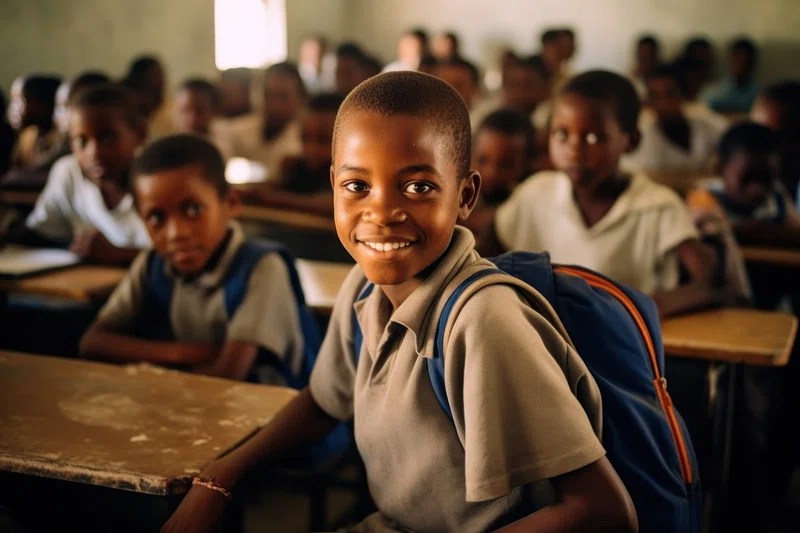
However, things are no better for the male child, they are driven into the workforce, perpetuating a culture of hustle and survival. This generational cycle of poverty can only be broken through access to quality education. The consequence of inaction is dire. Without adequate education children are unable to strive for anything greater and get accustomed to what they know and see every day. Governments must act now to establish more educational institutions and provide affordable access to quality education. Failure to do so will cripple Africa’s economy, leading to the brain drain, reduced investments and a further decline in economic stability. The time is now. We must prioritise education as a fundamental human right and cornerstone of Africa’s future development. If we don’t invest in ourselves we risk the prosperity of future generations. Education is a human right and it is under attack.
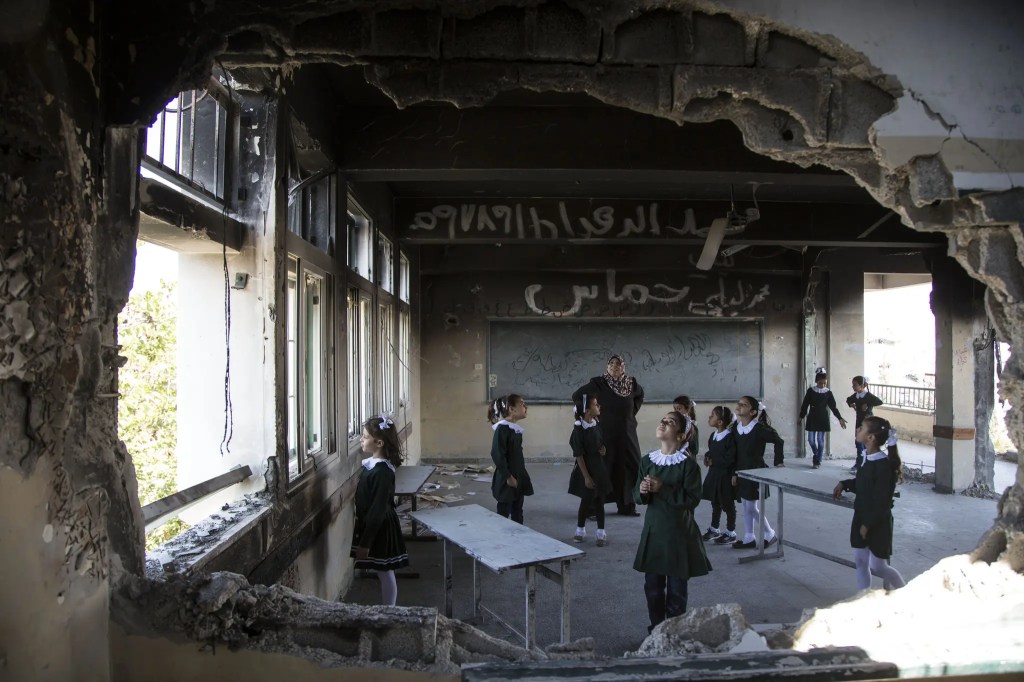
Education is under attack globally not just in Africa. The importance of education goes to the back burner during conflicts, wars and natural disasters. In the past year 715,000 children have been denied an entire school year of learning because of the Gaza war. This results in delayed speech, understanding and takes a strenuous toll on their mental health. Children witnessing their lives that they thought to be so normal, the routine that they had been accustomed to all thrown away. The UN currently has been equipped to help 3,500 of these children with temporary educational centres along the south of the Gaza Strip. Majority of Gaza’s schools have been transformed into displacement centres and the rest have been destroyed. Attacks on schools, educators and students is an attack to their human right. Present conflicts are affecting the futures of entire generations. How much longer must children suffer for the decisions of our world leaders? Without the protection of education children are left vulnerable and are targets for abuse, exploitation and recruitment by armed forces.
Education is the catalyst for success, yet its transformative power is often overlooked. A good education fosters growth, maturity, critical thinking, and valuable networking opportunities. While some point to Bill Gates’ story as evidence that education isn’t necessary for success, a closer examination reveals that his educational background played a pivotal role in shaping his future.
At just 13, Gates created his first software program, and by high school, he had developed a passion for programming. His primary and high school education provided the foundation for him to identify and pursue his interests. This is a stark contrast to the reality faced by approximately 48 million African youth who are illiterate, where even basic reading skills are a luxury.
Education empowers children with exposure, vision, and direction. Knowledge is the ultimate game-changer, and its power can be harnessed to succeed in any field. While Mr Gates’ story is often misinterpreted, his educational background undoubtedly shaped his innovative thinking, problem-solving skills, and ability to achieve his dreams.
Although education alone doesn’t guarantee success, it undoubtedly paves the way. Mr Gates’ subsequent enrollment at Harvard University, where he spent two years before dropping out, further underscores the significance of his educational foundation. In conclusion, education is the gateway to unlocking one’s potential, and its importance cannot be overstated.”
Life is a dynamic skills-based assessment, and without the essential skills and knowledge, navigating its challenges can be daunting. Education serves as the bong, bridging the gap between knowledge and skill, empowering individuals to thrive in the real world.
I’m excited to announce my first collaboration post with the talented Miss Mupfanochiya, author of the insightful blog ‘BlogsbyDar’. In her upcoming Part 2 article, Miss Mupfanochiya will explore the critical issues surrounding education, including its transformative role in empowering marginalized communities, the profound impact of technology on learning, and the often-overlooked influence of cults on educational systems.
It’s time to shine a spotlight on the significance of education and its far-reaching effects on individuals and society. Make sure to check Miss Mupfanociya’s part two post on the link below

 The Voice Box
Leave a comment