
Should Cultural Sensitivity justify traditional practices that compromise human rights?
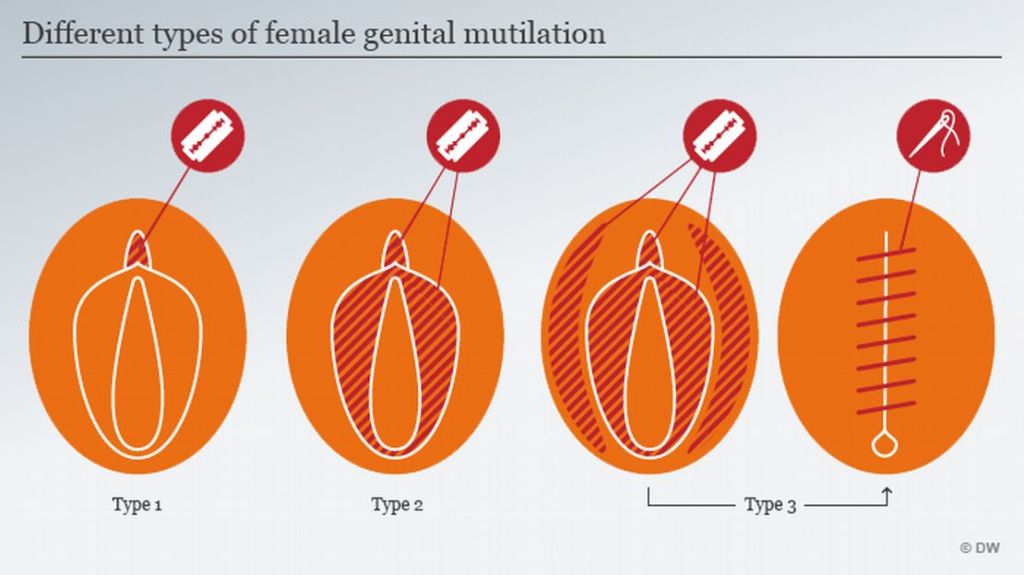
We are greater when we are together, not divided. Over 230millions women alive today have undergone the brutal, inhumane procedure known as Female Genital Mutilation (FGM). In the present day nearly 3 million girls are at risk of undergoing FGM which strips away a woman’s right to dignity, health and security. FGM is not only a traditional practice but a punishment to women. Okay but what is FGM? FGM comprises of all procedures that involve the partial or total removal of the external female genitalia for non-medical reasons. The basis of the allowance of this formidable act is the belief that it protects women from engaging in premarital intercourse, therefore discouraging promiscuity. FGM is seen as a traditional contraceptive and is a sign of “submission and obedience in marriage”. However the consequences are often overlooked. The short-term risks of FGM include: haemorrhage, shock, infection, HIV transmission, and severe pain. Psychological impacts could include depression, anxiety and lack of trust in their guardian in cases of a forced procedure. The long-term risks include urinary tract infections, menstruation complications etc. This procedure is usually performed under unsanitary conditions that result in infections and excessive bleeding. Is it ethical to sacrifice the health of women, all in the name of upholding cultural expectations?
The United Nations defines culture as “the collective programming of the human mind that distinguishes the member of one human group from those of another. This develops communities and forms bonds. On the other hand, the global rule of law is a principle of governance in which all institutions and peoples are accountable to laws that are “publicly promulgated, equally enforced and independently adjudicated”. This global rule of law requires that fair systems of adjudication be imposed and an independent legal profession be adapted. What does that mean? This means that the global rule of law provides control to leaders of member states to put laws in place as long as they are equally enforced in the country. The rule of law is a fundamental aspect in maintaining international peace, security and political stability. It acts as a foundation for the formation of laws such that they protect people’s rights whilst up-keeping their fundamental freedoms. However, granting member states full individuality allows the legalisation of FGM in countries in the Middle East and Africa under the pretence of preserving their cultural identity. Although countries partaking in this practice are freely embracing their cultural justice, it violates the basic fundamental freedom from discrimination and violence.
Human rights violations can perpetuate oppression and discrimination and the inability to maintain the Global rule of law. Somalia is the most engaged in the matter as 99% of girls between 15-49 years have already undergone FGM and an overwhelming 78% of women believe the practice must be eradicated. The most prevalent reason for FGM is the social pressure and fear from being disassociated from society. However, this is not grounds for the abuse of human rights and inhumane torture FGM brings. The medicalisation of FGM has not been proven to alleviate any of the risks as there has been an increase in the pain severity. In Indonesia traditional practices led by local leaders had a pain intensity of about 43-67% whilst the medicalisation has increased this to 68-88%. Medicalisation does not automatically result in a decrease in risk as the cutting still provides severe damage to the tissue no matter who performs the procedure. This goes to show that there are no alternatives to try better the procedure and should therefore be abolished. Any “health benefits” associated with the medicalisation are all assumptions as seen with the failed attempt in medicalising it in Indonesia. In contrast to circumcision that has been medicalised it provides health benefits for the male child and increases sexual satisfaction whilst FGM restricts the women’s ability to feel sexual pleasure, due to the level of pain experienced which is selfish and inhumane. This oppresses women’s human right as sexual intercourse is meant to be a sign of love between two partners but with this procedure it becomes torturous.
FGM is a form of gender inequality as it acts as physical representation of male supremacy and woman’s ‘obligation’ to be submissive. The practice is to prove to men and that a girl is ready to enter society and get married. This procedure is usually forced upon young ladies and performed out of desperation for financial gain in hopes of receiving a high bride price after marriage. Approximately 200million out of 650 million girls that are child brides have been cut in accordance to UNICEF, although this is not the sole reason and child marriages it is inevitable that they co-exist. Although setting, community and financial standing all play a role in accepting the reasons for FGM it cannot be denied that the practice still violates human rights.
Governments should financially aid communities in the rural areas, so they have the opportunity to become educated and work rather than waiting to get married. With the aid of the criminalisation of FGM, girls will retain their rights to health and security therefore encouraging men to find better standards when looking to marry. Women must not live their life in pain to satisfy the needs of a man and vice versa. Women ought to have the freedom to live independently without pain or unforeseen health complications. The United Nations Sustainable Goal 5 advocates for gender equality and women empowerment and the criminalisation of FGM would bring the world one step closer to having a sustainable world. Whilst it can be acknowledged that places will have different reactions to the criminalisation this will promote the safekeeping of the girls that are in risk. It can also be argued that the social pressures come from elder generations and if the government were to criminalise the procedure and educate the elder generation of the negative effects this may change their view. This will result in less social pressure.
In conclusions although FGM is a cultural practice and there are other cultures that co-exist with the same implications on women or anyone else, cultural sensitivity does not justify the practice. Whilst countries do have cultural justice and are allowed to freely express themselves whilst withholding their cultural traditions they must not take away someone’s basic human rights. Human rights were put into place to ensure there is equality, security and safety between peoples. It is merely immoral to take away one’s human rights to benefit another person. It violates the freedom from torture, cruel inhumane or degrading treatment. It’s time to take a stand against FGM and give women a chance to prioritise their health.


 The Voice Box
Leave a comment