The loss of cultural heritage in the youth is astronomical. What used to be the heartbeat of our identity seen through our languages, our customs and our pride now feels like something we are encouraged to shed as we “modernise.” Somehow, abandoning the places that formed us has become a trend. With every step away from our roots, our cultural identity thins just a little more.
Speaking a native tongue is rare especially in urban areas where English treated as the default, the superior, the “professional.”It echoes through our schools, our media, and even our homes but at what cost? Has modernism created an anomie in the way culture is taught, lived, and passed down? More importantly, how can we save what’s ours before it slips away any further?
The truth is there is immesurable power in being African. The mind, the creativity, the innovation – it is unmatched. For centuries, Africans have built, crafted, and engineered solutions long before anyone recognised the genius behind the. In Mbare, Zimbabwe women make irons from nothing but spare parts. No formal training, no engineering textbooks, just raw experience, determination, and a burning need to make life better for their families. A full invention crafted from intuition and grit, long before the world standardised what an “iron” should look like.
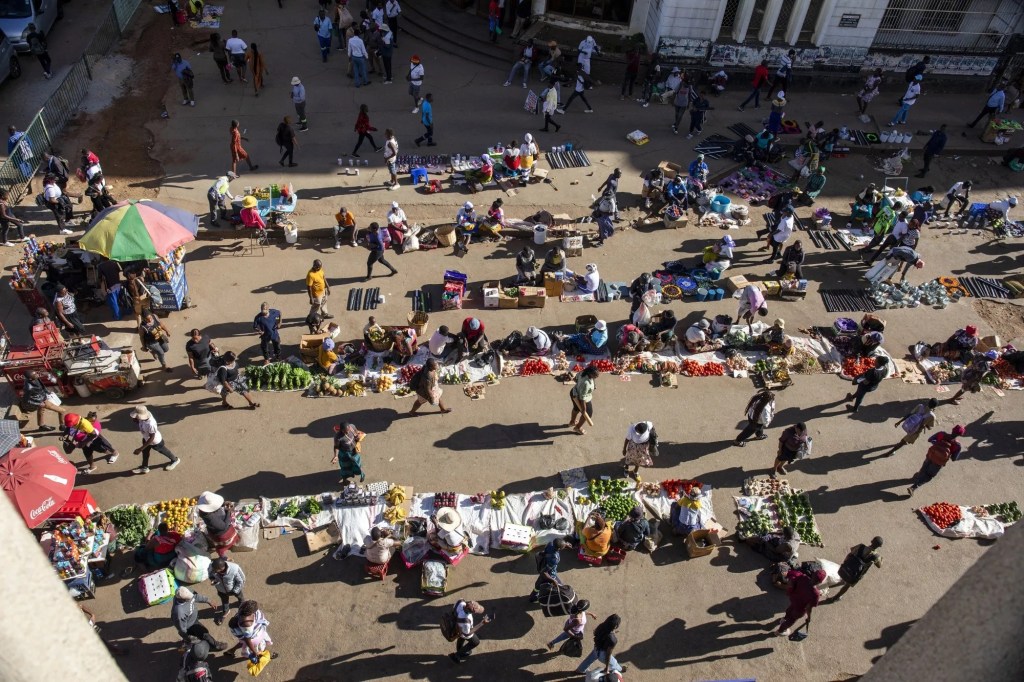
This spirit hasn’t gone anywhere. It lives in African fintech founders coding before sunrise. It lives in the hustler markets of Lagos, the kombi ranks of Johannesburg, the informal stalls of Nairobi. The grit, the perseverance, the refusal to give up. Nothing in the world mirrors what is homegrown on this continent. Yet, this very essence is fading. Not because it’s dying, but because we’re taught to walk away from it.
Africa is projected to have the youngest population in the world. Yet this same generation is distancing itself from its cultural identity with excuses that our ways are “outdated,” “irrelevant,” or “unnecessary.” Ironically, the same traits we dismiss are the traits Western societies now crave: community, resilience, innovation born from scarcity, deep cultural memory, and spiritual rootedness.
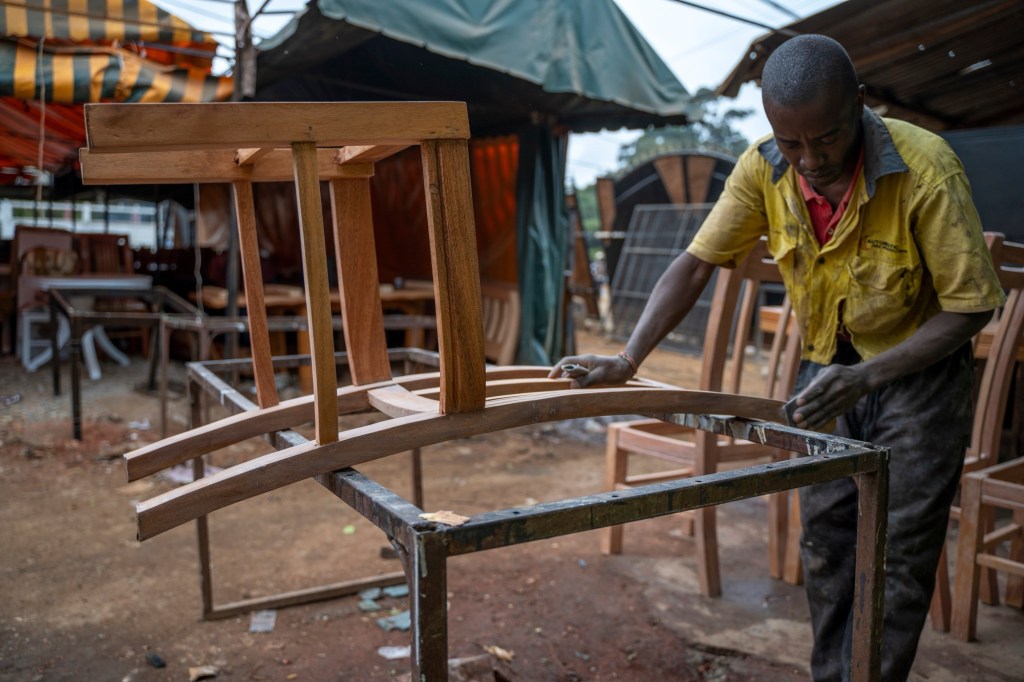
There is no one as hardworking as an African man with not a dollar to his name, yet who still hustles every day and somehow returns home with food for his family. There is no one as innovative as an African mother who turns three ingredients into a full meal for six. Or an African child who studies by candlelight with one shoe on, torn clothes but still brings home straight A’s. There is power behind that hunger. There is ambition behind every decision. There is a fire that refuses to burn out.
Psychologists and sociologists have long pointed out the strength of the African mindset. A simple google search for global depression statistics shows the UK reporting 7,040 cases per 100,000 people. The first African country appears only much further down the list despite the fact that Africa faces every possible trigger for depression: unstable economies, water shortages, constant power cuts, high education costs, food insecurity, political instability, and more.
But still Africans remain resilient.
To me, that is exactly what it means to be African. Not the stereotypes. Not the headlines. Despite the struggles, the challenges, the systems designed to hold us back, we rise. We rebuild. We reinvent. We remain unshaken.
Being African is a superpower; and it’s time we reclaim it. Not just in word, but in identity, in culture, and in pride.

 The Voice Box
Leave a reply to Anonymous Cancel reply